
Blog list
Visionary Eye Care Blog
Learn more about optometrist care in our blog!

Headaches can have many causes, from stress and dehydration to migraines and sinus pressure. But when headaches keep returning, especially after reading, driving, working on a computer, or spending time in visually busy environments, the way your eyes work together may be contributing. At Visionary Eye Care, we evaluate patients for binocular vision dysfunction when symptoms suggest that even a small eye misalignment may be placing extra strain on the visual system.

For many people living with migraine, bright or artificial light can make everyday activities uncomfortable. Computer screens, fluorescent lighting, headlights, and sunlight may intensify light sensitivity and make it harder to work, drive, or enjoy time outdoors. At Visionary Eye Care in Lutz, we offer Avulux Migraine & Light Sensitivity Lenses as a specialized option for managing light-related discomfort.
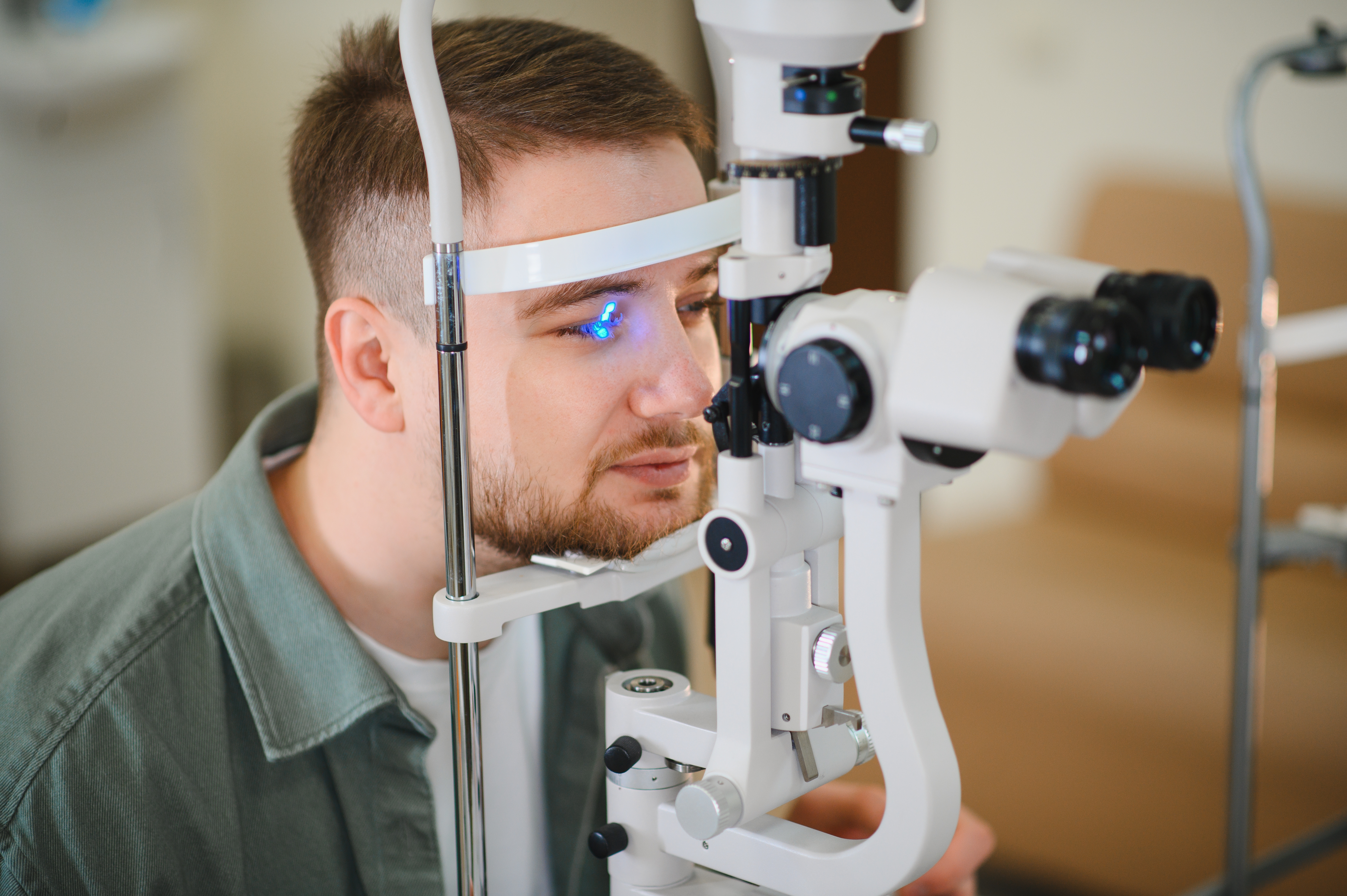
Not every vision problem starts with blurry eyesight. While a routine eye test is important for checking your prescription and overall eye health, some symptoms are connected to how well your eyes work together. At Visionary Eye Care in Lutz, we offer both comprehensive eye care and specialized NeuroVisual® Exams to help determine which type of evaluation fits your symptoms.

If you often deal with eye strain, headaches, dizziness, or visual discomfort, the issue may go beyond needing a stronger glasses prescription. For some patients, these symptoms are connected to how the eyes work together. At Visionary Eye Care in Lutz, TheraLens offers a non-surgical way to improve visual comfort and support better eye alignment throughout the day.

Back-to-school season is the perfect time to think beyond supplies, schedules, and new clothes. For children with nearsightedness, also called myopia, the school year can bring more reading, screen time, homework, and classroom learning that depend on clear, comfortable vision.

Double vision can be unsettling, especially when it happens suddenly or starts interfering with reading, driving, work, or daily activities. Also called diplopia, double vision means you are seeing two images of one object. It may happen all the time, come and go, or appear only when looking in certain directions. At Visionary Eye Care, we help patients understand whether double vision is related to eye alignment, focusing, neurological concerns, or another vision condition that needs attention.

Many people think glasses only correct blurry vision, but some lenses are designed to do much more. TheraLens Microprism Lenses are made to support better visual alignment, reduce strain, and improve day-to-day comfort. For patients in Lutz who struggle with symptoms like headaches, dizziness, or eye fatigue, these lenses may offer a more advanced solution than standard eyewear.

Frequent headaches can have many causes, but in some cases, they are related to how the eyes work together. When the visual system is under constant strain, it can lead to headaches, eye fatigue, light sensitivity, and discomfort during reading or screen use. At Visionary Eye Care, we offer advanced evaluation and treatment options, including Neurolens, to help address symptoms linked to visual strain.

Advancements in eye care have made it possible to correct vision without daytime lenses or invasive procedures. Orthokeratology uses precision-designed overnight lenses to subtly reshape the cornea, providing clear, comfortable vision from the moment you wake up.

Stress and anxiety are complex conditions with many contributing factors. One often-overlooked factor is the visual system. The brain relies heavily on accurate visual input to maintain balance, comfort, and awareness of the environment. Visionary Eye Care takes a comprehensive approach to identifying vision-related contributors to anxiety and discomfort.

All Eye
Care Services

Keep
In Touch

Operating Hours
- Monday 10:00am - 6:00pm
- Tuesday 10:00am - 6:00pm
- Wednesday 10:00am - 6:00pm
- Thursday Closed
- Friday 10:00am - 6:00pm
- Saturday 9:00am - 3:00pm
- *1st & 3rd of the month (Staff only / No Doctors)
- Sunday Closed

© 2026 Visionary Eye Care. All Rights Reserved. Privacy Policy. Sitemap.
Powered by: 
